
A Detailed Comparison of Ferragamo’s Tailored vs Loose-Silhouette Bag Silhouettes
For decades, Salvatore Ferragamo has spent its time honing the visual grammar behind Italian leather goods, and that mastery shows nowhere more clearly than in the tension between two design philosophies: the controlled, precise shaping of structured styles and the easygoing, unstructured charm of slouchy shapes.
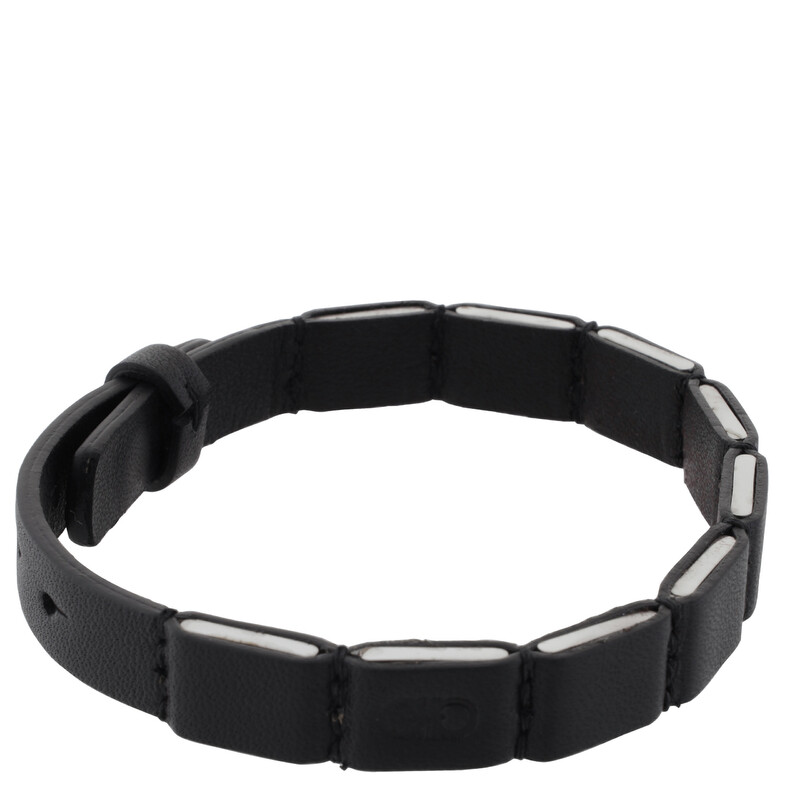
Anyone browsing a Ferragamo shop today will notice that the house doesn’t pick a side. Instead, it builds two complementary accessory collections, one anchored to form, the other driven by fluidity.
If you’re trying to choose a piece that will actually earn its keep in daily rotation, rather than stay forgotten in storage, understanding the difference matters.
This difference is far from skin-deep. Structured bags rely on inner frameworks, firmed-up panels, and meticulous seams to hold a fixed shape regardless of how much you cram inside them. In the opposite direction, softer, unstructured styles lean on more supple leathers and a more relaxed build, letting the bag fold and settle differently depending on how you tote it. Both styles are present within the current Ferragamo bags collection, and the two carry loyal followings for entirely distinct reasons. Laying out what distinguishes one from the other, where the construction differs, and which styles from the brand’s present lineup align with each approach is the focus of this piece.
Decoding “Structured” Within Construction Terms
A boxy-construction Ferragamo bag generally begins with a rigid base, commonly supported by a sturdy panel or dense foam insert fixed between two layers of leather. This is what allows a bag to stand upright on a table without leaning or collapsing. The Ferragamo Studio bag, the most evident case in today’s collection, owes its structured outline, sharp corners, and top handle entirely to this structural foundation. Without that stiffening, the very same leather would collapse into a flat sheet.
Hardware matters more in structured pieces than most shoppers assume. Because unsupported leather can’t handle recurring strain at one spot without warping or ripping eventually, these hardware elements all require a sturdy body to anchor into. This is the reason, structured bags from Salvatore Ferragamo typically showcase sturdier closures, while slouchy styles, which rely more on zips or magnetic snaps that don’t require the same degree of reinforcement.
Too, hide choice differs. Structured pieces typically use full-grain or minimally treated hides that hold a crease ferragamo purse line precisely where it’s cut, producing that sharp, almost sculpted finish. It’s partly why structured bags shoot so uniformly — its form remains steady across images, which is significant for a Ferragamo shop that wants to represent a product faithfully on its site. The downside is added weight; structured bags typically come in heavier than their slouchy alternatives because of the reinforcement built inside them.
As a final point, boxier-shaped bags usually preserve their secondhand value more steadily. Given that the shape resists wear the way a softer hide can droop or gather creases with time, a structured Salvatore piece acquired at this point is better positioned to appear well-kept in five years with routine care. This is a sensible point to weigh for anyone treating a Ferragamo bag as a durable, long-range purchase rather than a one-season pickup.
Why a Slouchy Cut Wins: Comfort, a Gentle Hand, and Everyday Convenience
Slouchy bags swap rigidity for comfort, and this exchange has meaningful advantages. A more supple leather, typically napa or a faintly textured calfskin, flexes in sync with the body rather than resisting it, and that’s why slouchy hobo and shoulder styles remain popular for the daily commute. The Ferragamo Wanda, in its softer iterations, exemplifies this — it expands to hold more without looking overstuffed, since the leather is built to flex rather than hold firm.
A relaxed, unstructured build likewise alters the way heft is spread out. Because there’s less internal hardware and stiffening material, these bags are frequently lighter, which matters over an eight-hour workday when a bag stays on one shoulder. Since they flatten a bit to slot into carry-on luggage rather than keeping a rigid, bulky form, shoppers looking into the best Ferragamo bags for travel frequently favor relaxed, unstructured designs.
The design-related case carries weight too. Slouchy bags register as more casual and less overtly “logo-forward,” which is ideal for buyers who want their Salvatore Ferragamo bags to integrate seamlessly with casual wardrobes rather than draw obvious notice. Across denim, tailored trousers, and similar outfits, a stiff, boxy accessory would look out of step with the rest of the outfit, which is why this soft, unstructured hang suits these pairings so well.
There is an aspect of durability worth being honest about. Soft leather is more prone to surface creasing and wrinkled texture as it ages, above all when the bag sits unfilled often or stored improperly. That’s not to say its structural integrity fades sooner structurally speaking, but the visual character will alter more perceptibly than a more rigid design. Owners who want a soft-shaped bag to look nearly new years down the line need to stay more disciplined about filling it with tissue paper during storage.
Contrasting Both Methods In Parallel
Structured and slouchy Ferragamo bags typically compare across the factors that matter most to a real buyer — shape retention, weight, everyday flexibility, and how they age — and breaking it down like this turns the contrast into something tangible.
| Factor | Structured Designs | Slouchy Styles |
|---|---|---|
| Silhouette hold | Keeps a set shape irrespective of contents | Shape adapts according to its contents and carrying style |
| Average heft | Heavier due to internal reinforcement | Airier, better suited to all-day wear |
| Ideal setting | Professional settings, dressy occasions, pared-down closets | Travel, everyday casual wear, layered looks |
| Wear patterns | Retains crisp lines over years of use | Takes on gentle wrinkling; wear that adds personality |
| Metal detailing | More noticeable clasps, structural frames, and closures | Plainer zippers or magnetic closures |
| Care demands | Low — structure needs no help | Needs filling to guard against set-in folds |
It isn’t that one style is inherently better; rather, the ideal pick hinges on how it’s used day after day. Structured bags suit those driving to work in formal settings, thanks to their reliability, whereas those who travel a lot or use public transit often find slouchy bags easier on the shoulders over time.
Interpreting the Latest Ferragamo Bags Lineup Summary by Category
Surveying the latest Ferragamo bags overview, the brand structures its lineup broadly into a trio of functional groupings: top-handle pieces with firm structure for formal or office use, crossbody-and-shoulder pieces that strike a middle ground between structure and softness, and fully relaxed hobo-style bags built for roominess and comfort. This tiered approach means a shopper can switch styles based on what’s needed without fully exiting the brand’s range.
The top-handle category is where the brand’s tailoring roots is most visible. This category often reflect the brand’s footwear precision — sharp edges, precisely matched stitch lines, and hardware color-matched precisely to the leather. If a shopper is putting together a shortlist of the best Ferragamo bags for professional settings, this group tends to top that list because of how consistently the shape presents in meeting rooms or on a desktop.
Sitting between structure and softness, crossbody designs are arguably the most flexible pick in the current lineup. A build that’s firm yet giving keeps form intact when worn close, while the strap and side panels offer enough give to avoid a stiff look. As a result, this category is often listed among the top Ferragamo bags for buyers after a bag that photographs well and handles daily life.
Filling in the collection are relaxed hobo-and-tote pieces, the tier in which Ferragamo leans hardest into soft leather sourcing. With bigger leather sections and minimal stitching, structural rigidity drops while the material takes center stage, since less stitching competes for attention. Shoppers weighing top Salvatore Ferragamo pieces by tier will likely find this relaxed grouping wins on comfort though not on dressier adaptability.
Picking the Right One of the Two for Actual Daily Use
Rather than relying on your aspirational picks, the wisest approach to decide is to take an honest look at your real week. Note how often you’re desk-bound compared with being on the move, and be honest about whether you’re the type to unload their bag each night or keeps it packed for weeks at a stretch. Steady habits and foreseeable wear are what structured bags reward, while adaptability and tolerance for inconsistency are the strengths of softer, unstructured styles.
Budget also plays into this decision indirectly. Given that structured bags need more components — internal stiffening, reinforced hardware mounts, carefully cut panels — they often demand more labor hours in production, which can be reflected in how comparable sizes are priced by a Ferragamo shop across both categories. This isn’t a hard rule, but it’s a tendency worth keeping in mind if cost is a deciding factor alongside aesthetics.
Regional climate and everyday habits matter more than most buyers expect. In humid environments, relaxed slouchy hides can take on more dampness and demand extra care and treatment, while rigid-frame styles with finished or sealed leather sections tend to hold up somewhat better against the elements. Those buying ferragamo bags for use across changing seasons and climates ought to consider this rather than deciding on looks alone.
At the end of the day, a good number of Ferragamo owners wind up owning both types — a rigid-frame option for formal or unforeseen occasions, and a slouchy piece for daily life that doesn’t need to perform under scrutiny. Such a pairing echoes the brand’s own design philosophy across its collections: not as one singular perspective, but as two coherent answers to two different everyday problems, both realized through the same enduring devotion to Italian leathercraft that has defined Salvatore Ferragamo since its founding.